Is Legal Intake Automation Worth It for Solo and Small Firms?
[ SUMMARIZE WITH AI ]
Workflow Audit
]99% sure you are not seeing all the spots AI can help you in your business.
Are your workflows optimized with the most up to date solution, or are they costing you and your team time and money?
GET FREE AUDITLegal intake automation is worth it for most solo and small firms once they're getting roughly 15 to 20 inquiries a month or more, since the one-time build cost typically clears itself within 60 to 90 days once you count the cases currently lost to slow or after-hours response. Below that volume, the math gets tighter and it's worth checking your actual numbers before you commit. This isn't a "yes for everyone" answer — it's a threshold, and most firms already know which side of it they're on once they see the math laid out.
The three things that determine your answer:
- Volume: roughly 15-20+ inquiries a month is where the numbers reliably work in your favor
- Timing gaps: if a meaningful share of inquiries come in after hours or during peak periods and sit unanswered, automation pays for itself faster
- Case value: the higher your average case value, the fewer inquiries you need to recover before the system has paid for itself
A free Lead-to-Consult System Map runs this math against your firm's actual numbers instead of a generic range.
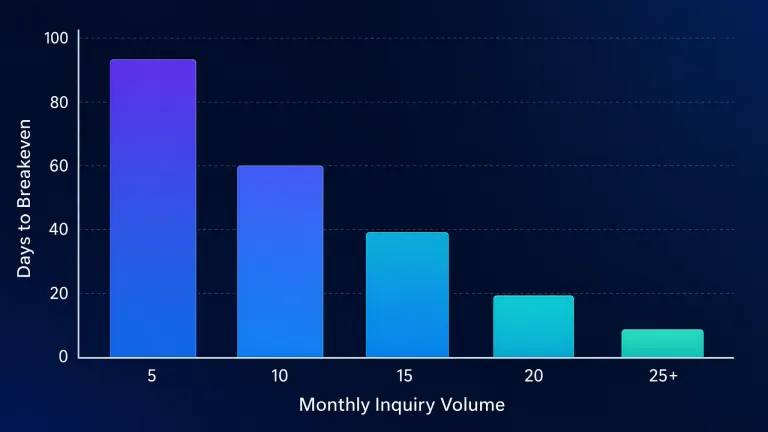
Table of Contents
- The Real Question Isn't "Does It Work," It's "Does It Pay Off For You"
- The Breakeven Math
- When It's Clearly Worth It
- When to Skip It (Or Wait)
- What "Worth It" Actually Includes
- Frequently Asked Questions
The Real Question Isn't "Does It Work," It's "Does It Pay Off For You"
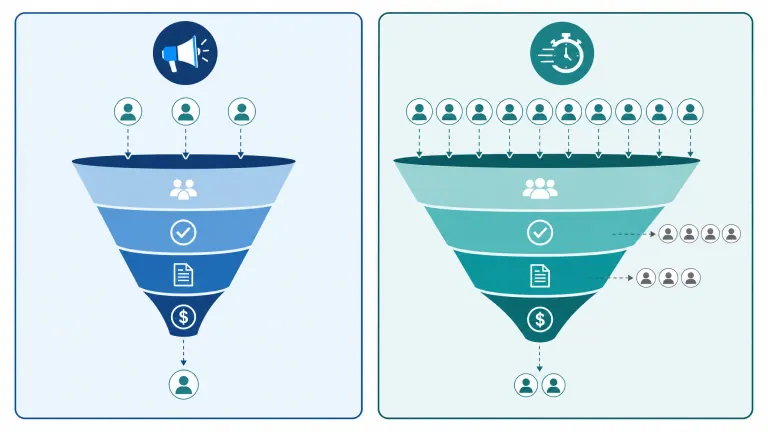
Most articles on this topic answer a different question than the one solo and small firm owners actually ask. They cite aggregate ROI figures — firms seeing 3-5x returns within six months — without saying which firms those are, or what volume they started with. That's true, but it skips the part that matters to a firm deciding whether to spend money this quarter: whether your current inquiry flow is large enough for that math to apply to you.
There's a real prerequisite buried in most of that research too: automation recovers leads you're already generating, it doesn't create them. A firm with low website or referral traffic needs to fix lead generation before intake automation has enough volume to pay off. If inquiries are the bottleneck, not response speed, that's a marketing problem first.
How AIessentials helps here: the free mapping call checks your actual inquiry volume and where it's currently getting lost before recommending anything, so you're not buying a fix for a problem you don't have.
Not sure if automation or lead volume is your real bottleneck? We look at your actual numbers first and tell you honestly which one it is. Book a Free Intake Mapping Call →
The Breakeven Math
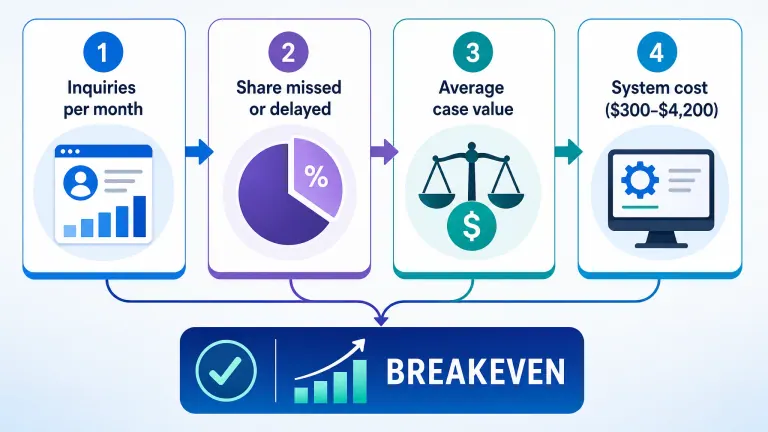
Run these four numbers against your own firm before deciding either way:
- Inquiries per month that come in after hours, on weekends, or during a peak nobody catches immediately
- Share of those that go unanswered long enough that the caller likely moved to the next firm — industry data puts roughly 42% of legal service searches happening outside business hours in the first place, and firms that respond within five minutes convert roughly 400% better than those that don't, yet only about 1 in 4 firms hit that window
- Average case value for your practice area
- System cost — a full AI intake system typically runs $300 to $4,200 one-time plus $50-$300/month
If even 2 recovered cases a month clear the one-time cost against your average case value, the system pays for itself inside the first month or two — everything after that is straight recovered revenue. A firm with a $3,000 average case value only needs to recover roughly one missed case to cover the low end of the build cost outright.
Where the math gets tighter: a firm getting fewer than 10-15 inquiries a month, where after-hours or peak-time gaps aren't costing many missed cases to begin with, may only recover a fraction of a case a month — the system still works, it just takes longer to pay for itself.
How AIessentials helps here: we run this exact calculation with your real numbers on the mapping call, so you know your specific payback window before spending anything.
Want your actual breakeven number, not a generic range? We calculate it from your firm's real inquiry volume and case value. Get My Free Lead-to-Consult System Map →
When It's Clearly Worth It
Automation is a clear yes if:
- You're getting 15-20+ inquiries a month and any meaningful share arrive after hours or during busy periods
- You already know inquiries are going to voicemail, sitting in an inbox, or waiting for next-business-day callbacks
- Your average case value is high enough that recovering even 1-2 extra cases a month covers the system's cost several times over
- You're currently intake-bottlenecked, not lead-bottlenecked — the inquiries are already coming in, they're just not all getting handled fast enough
This is the profile covered in more detail here — firms where the fix is a process change, not a headcount increase.
When to Skip It (Or Wait)
It's reasonable to hold off if:
- Your inquiry volume is under roughly 10-15 a month and you're not missing anything obvious today — the breakeven window stretches out and the math is closer to a wash
- Your bottleneck is generating inquiries in the first place, not responding to the ones you get — fix lead generation first, then revisit automation once volume justifies it
- You already have a dedicated intake team catching essentially everything in under a few minutes, 24/7 — there's little left to recover
None of these mean automation doesn't work — they mean the payoff timeline is longer, and it's worth confirming your actual volume before committing rather than assuming either way.
How AIessentials helps here: if the mapping call shows your firm isn't there yet, we say so. The goal is an honest number, not a sale.
What "Worth It" Actually Includes
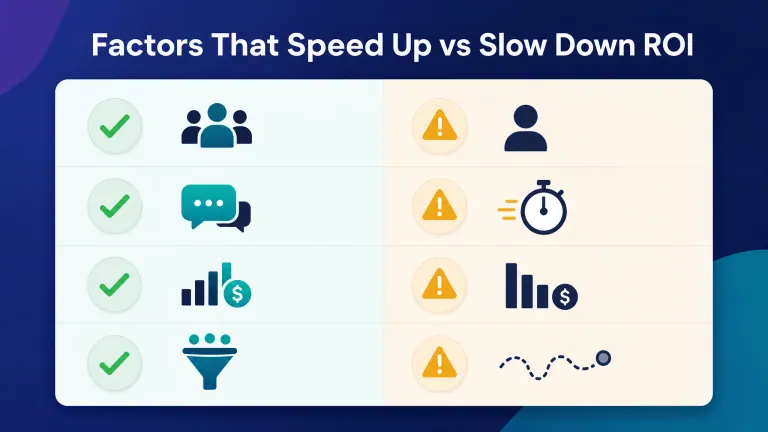
| Factor | Makes automation pay off faster | Makes it pay off slower |
|---|---|---|
| Monthly inquiry volume | 15-20+ | Under 10-15 |
| Response gaps today | Regular after-hours or peak-time misses | Inquiries already answered quickly and consistently |
| Average case value | Higher — fewer recovered cases needed to clear cost | Lower — needs more recovered cases to break even |
| Lead generation | Steady, inquiries aren't the bottleneck | Inconsistent — fix this first |
Frequently Asked Questions
Is legal intake automation worth it for a solo attorney?
It's typically worth it for a solo attorney once they're getting 15-20+ inquiries a month, especially if a meaningful share arrive after hours — the recovered case value usually clears the one-time system cost within 60-90 days. Below that volume, it can still work, it just takes longer to pay off.
How many inquiries do I need before intake automation pays off?
Most solo and small firms see automation pay off starting around 15-20 inquiries a month, though a high average case value can make it worthwhile at lower volume, and a low average case value can push the threshold higher.
What if my firm doesn't get enough inquiries yet?
Fix lead generation first. Intake automation recovers inquiries you're already getting, it doesn't create new ones — if volume is the real bottleneck, a marketing fix comes before an intake fix.
How fast does legal intake automation pay for itself?
Most firms that run the math clear the one-time system cost within 60 to 90 days, since recovering even a couple of previously-missed cases against a typical case value usually covers a $300-$4,200 build outright.
Is it worth it if I already have someone answering the phone during business hours?
Often yes, if inquiries still slip through after hours, on weekends, or during peak periods when that person is on another call — automation covers exactly the gaps a single person can't, without adding a second hire.
Conclusion
Legal intake automation is worth it for solo and small firms once inquiry volume clears roughly 15-20 a month and at least some of those are currently getting missed or delayed — at that point, the math almost always favors automating. Below that threshold, it can still work, but the payback window stretches and it's worth running your actual numbers rather than assuming either way.
The three things to take from this post:
- It's a volume-and-timing question, not a yes-or-no about whether automation works
- Run the breakeven math with your real inquiry count, response gaps, and case value before deciding
- If inquiries themselves are scarce, fix lead generation before automating intake
Ready to see if it's worth it for your firm specifically? Get a free Lead-to-Consult System Map showing your real breakeven number, based on your actual inquiry volume and case value. Get My Free Lead-to-Consult System Map →

Iliyan Ivanov
Founder of AIessentials · AI automation consultant helping B2B businesses save 20+ hours/week and grow without hiring